Internal differences delay amnesty law for political prisoners promised by Delcy Rodríguez
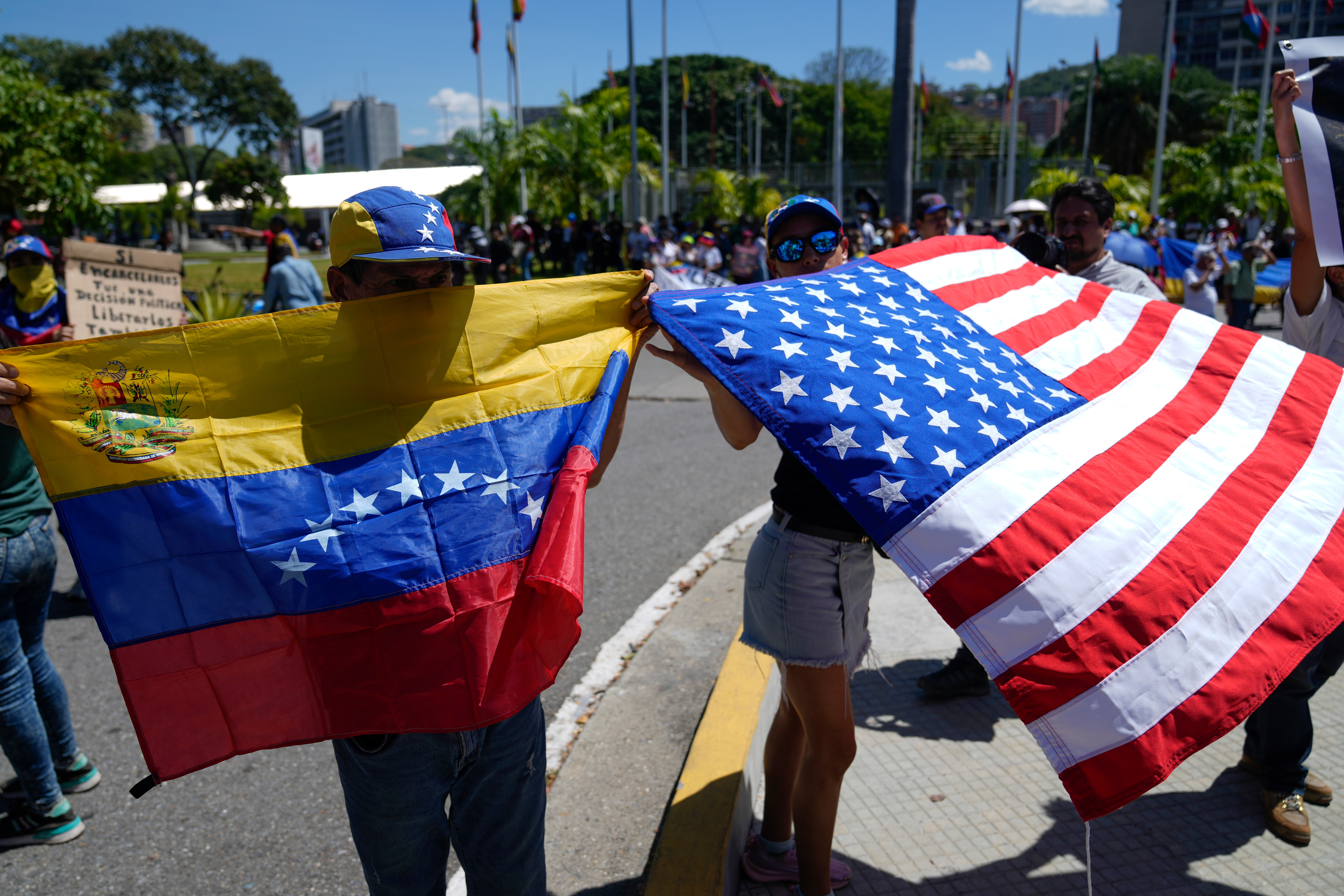
Venezuela's Amnesty Law Delayed Due to Internal Government Disagreements
The long-awaited amnesty law for political prisoners in Venezuela has been delayed due to internal government disagreements on its scope. The move comes as a blow to activists and relatives of those imprisoned, who had been eagerly awaiting the passage of this landmark legislation.
According to sources within the government, the suspension of a parliamentary session and protests by family members have contributed to the delay. The amnesty law, first announced by Delcy Rodríguez, Venezuela's Vice President, has been at the center of intense debate among lawmakers.
While some argue that it is necessary for the country's economic recovery and social cohesion, others believe that it would embolden opponents of the government and undermine national security. The division within the ruling party has led to a stalemate, with no clear resolution in sight.
Historically, Venezuela has been plagued by human rights abuses under the current administration. According to Amnesty International, more than 200 people have died in detention since 2017, while thousands of others remain imprisoned on trumped-up charges. The amnesty law had promised to provide a pathway for many of these individuals to be released and reintegrated into society.
The delay has sent shockwaves throughout the region, where Venezuela's neighbors have long been critical of its human rights record. Colombia, in particular, has expressed concerns that an amnesty law would embolden left-wing guerrillas operating on its border. "This is not just a Venezuelan issue; it has regional implications," said Juan Gabriel Perea, a Colombian analyst.
As Venezuela prepares for Youth Day celebrations this week, which are expected to draw large crowds and protests, the debate over the amnesty law is likely to intensify. Relatives of those imprisoned have taken to social media to demand action from the government, while activists have called for the law's passage as a key step towards healing national divisions.
The delay in Venezuela's amnesty law highlights the complexities and challenges facing the country's ruling party. While it remains unclear when or if the law will be passed, its impact on regional dynamics is already being felt. As the Venezuelan government struggles to address its human rights record and stabilize the economy, the world watches with bated breath, waiting for a resolution that will have far-reaching consequences for the region.