Kyrgyz Parliament Speaker Nurlanbek Turgunbek uulu Resigns Amid Ongoing Purges
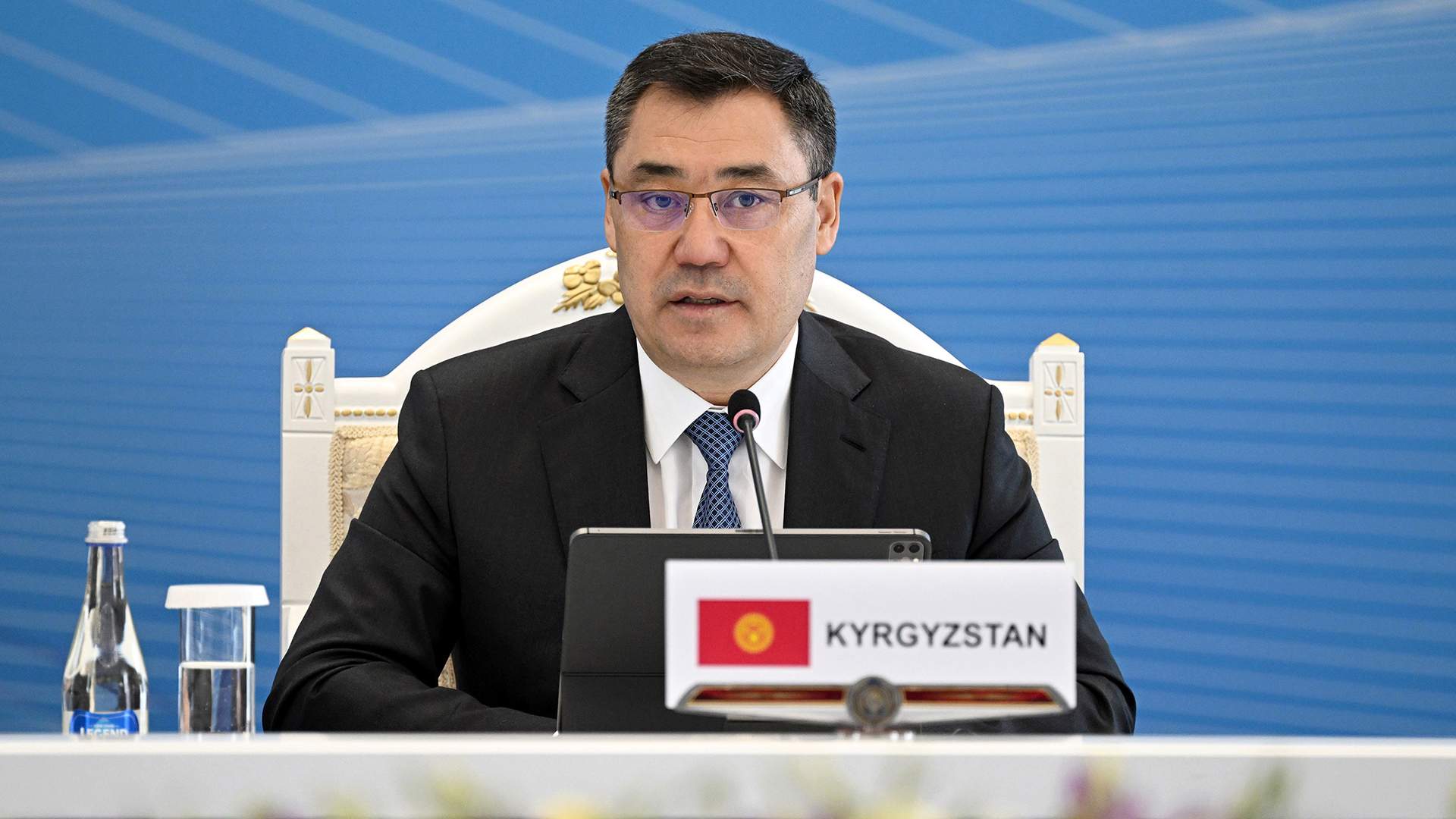
Nurlanbek Turgunbek uulu Resigns Amid Ongoing Purges in Kyrgyzstan
Kyrgyz Parliament Speaker Nurlanbek Turgunbek uulu resigned on February 12, 2026, following a decree by President Sadyr Japarov that dismissed Kamchybek Tashiev from his role as GKNB head and Deputy Chairman. The sudden resignation marks the latest development in a series of purges initiated by the president's decree on February 10, 2026.
The decree, announced without prior warning, led to the removal of deputy heads, the separation of the Border Guard Service, and the establishment of a new State Security Service under the president. The move has been met with widespread criticism from opposition lawmakers and human rights groups, who see it as an attempt by President Japarov to consolidate power and suppress dissent.
Despite his resignation, Nurlanbek Turgunbek uulu will continue serving as a deputy in the parliament. His departure marks a significant blow to the opposition, which had been gaining momentum in recent months. The purges initiated by President Japarov's decree have been ongoing since February 10, 2026, and have already resulted in the arrest of several high-ranking officials.
The situation in Kyrgyzstan is reminiscent of the country's tumultuous past, when authoritarian rule was followed by a transition to democratic governance. However, this shift has been marked by power struggles and purges, as seen in the current situation. The country's history is also characterized by its strategic location at the crossroads of Europe and Asia, making it a crucial player in regional geopolitics.
The impact of this story on neighboring countries is significant, particularly Uzbekistan and Tajikistan. Both countries have experienced similar purges and power struggles in recent years, with Uzbekistan's President Shavkat Mirziyoyev facing criticism for his handling of the country's security services. The situation in Kyrgyzstan also raises concerns about regional stability and the potential for conflict between neighboring states.
As tensions in the region continue to escalate, it is clear that the future outlook for Kyrgyzstan will be shaped by the actions of President Japarov. Will he be able to quell the opposition and consolidate power, or will the purges ultimately lead to a destabilization of the country? Only time will tell, but one thing is certain: the fate of Kyrgyzstan hangs in the balance.
The situation in Kyrgyzstan serves as a reminder that the transition from authoritarian rule to democratic governance is never easy. The country's history has been marked by periods of instability and power struggles, and it remains to be seen whether President Japarov can navigate these challenges successfully. For now, the future outlook for Kyrgyzstan remains uncertain, but one thing is clear: the actions of its leader will have far-reaching consequences for the region.