The Budget Book is Red on St Lucia's Hotel Development
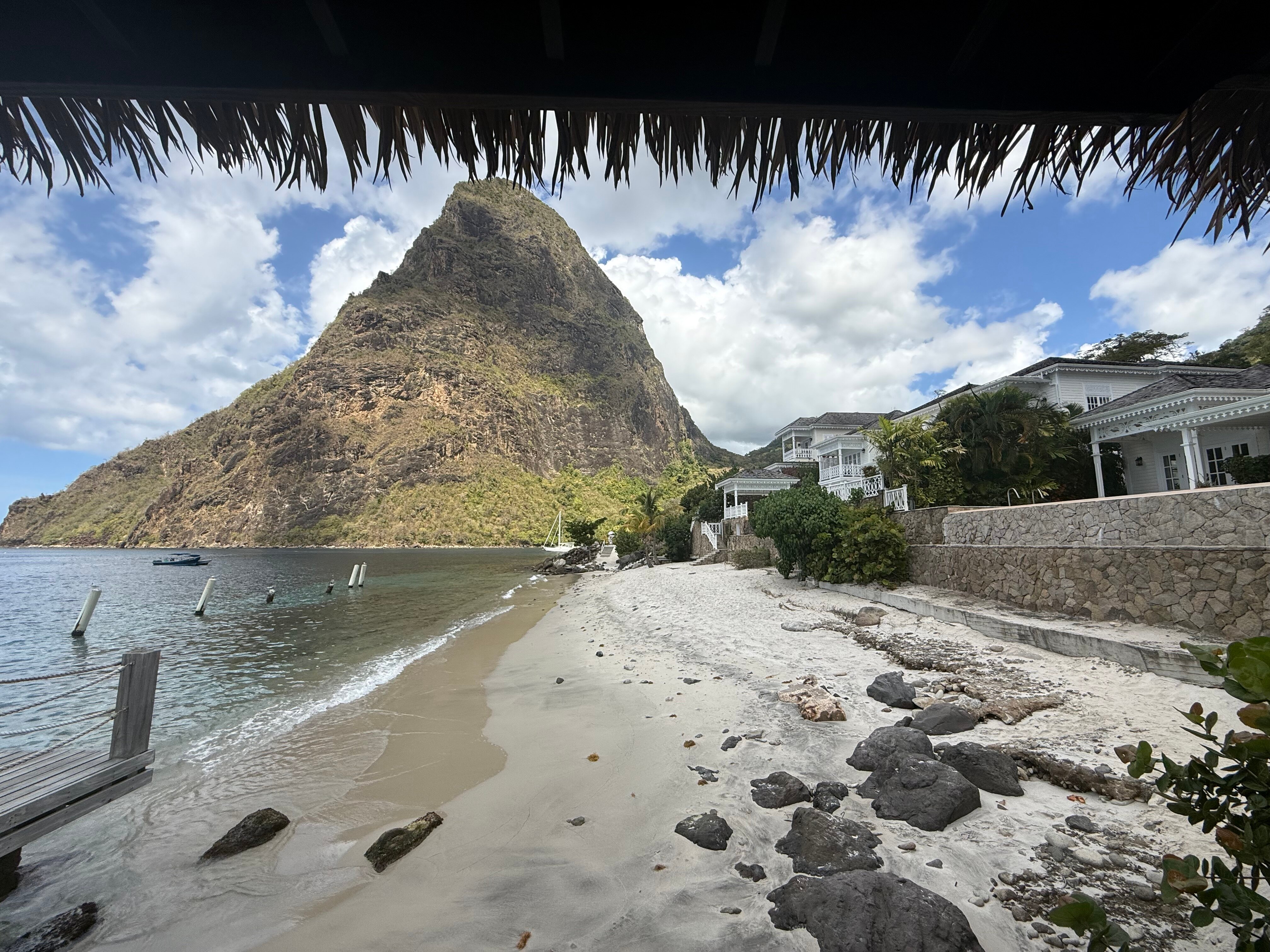
The proposed high-rise hotel development on Vigie Beach in Saint Lucia has sparked widespread concerns among locals, environmental groups, and regional authorities alike. The project, which includes a 150-room Marriott hotel and residences, has raised multiple red objections from public consultations, with worries over water supply, energy resilience, beach access, traffic, noise, security, conservation, and construction impacts dominating the discussion.
The proposed development is part of a broader effort by Saint Lucia to diversify its economy and attract tourism revenue. However, this move also raises concerns about over-tourism, environmental degradation, and the displacement of local communities. The island nation, which has struggled with economic development and infrastructure challenges since gaining independence in 1979, is facing additional pressures, including food insecurity, VAT non-collection, and water woes ahead of the 2026/2027 budget.
Saint Lucia's population of approximately 179,000 people makes Vigie Beach one of its most popular tourist destinations. The beach, which has been a staple of the island's tourism industry for decades, is also an important cultural site for the local community. Environmental groups have expressed concerns about the potential impact on the beach and surrounding ecosystem, highlighting the need for sustainable development practices that prioritize conservation and community engagement.
The proposed hotel development is expected to generate significant revenue for the local economy, but its impact will be felt across the region. Neighboring countries, including Dominica and Martinique, are also vulnerable to climate change and economic instability, and the influx of tourists could exacerbate existing challenges. Furthermore, the development of Vigie Beach could lead to increased competition for resources and attention from regional authorities, potentially straining relationships between Saint Lucia and its neighbors.
As Saint Lucia navigates this complex issue, it must balance the need for economic growth with the need to protect its natural environment and local communities. The proposed hotel development is a prime example of the delicate balance required in sustainable tourism practices, where careful planning and management can mitigate negative impacts while maximizing benefits for all stakeholders involved. Ultimately, the outcome will depend on the ability of Saint Lucia's policymakers to prioritize long-term sustainability over short-term gains, ensuring that the island nation remains a model of responsible development in the region.
In this context, it is essential that regional authorities take a closer look at the implications of this project and work towards finding solutions that address the concerns of all parties involved. The fate of Vigie Beach and Saint Lucia's tourism industry hangs in the balance, and the next steps will be crucial in determining the future of sustainable development in the region.