Nationwide Bharat Bandh Disrupts Transport and Services
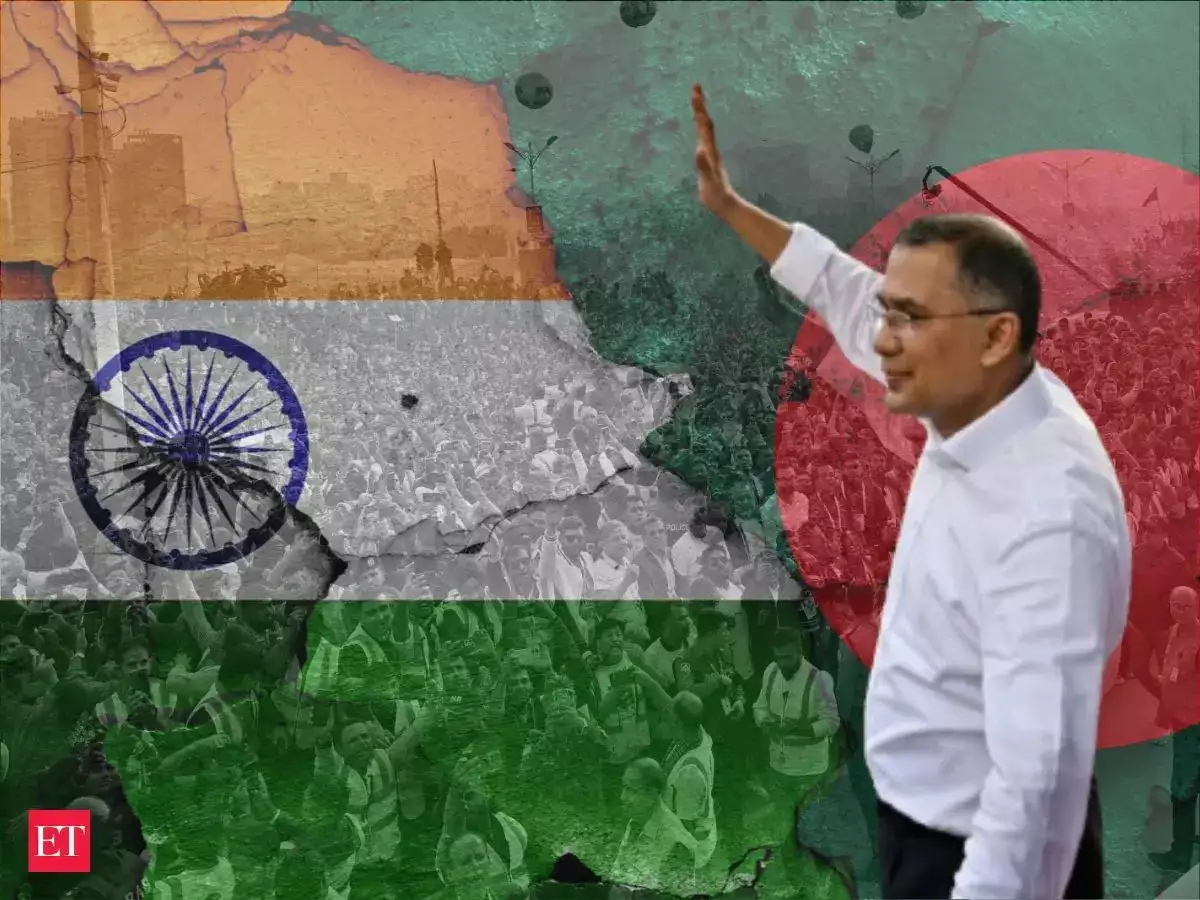
Nationwide Bharat Bandh Disrupts Transport and Services
A nationwide strike, known as a Bharat Bandh, brought India's transportation systems, markets, schools, and banks to a grinding halt on Thursday, leaving thousands of workers, farmers, and citizens stranded. The protest, called by central trade unions and farmers' groups in response to the government's policies, particularly the new labor codes and the India-US trade deal, marked a significant escalation in the ongoing struggle against the country's economic policies.
The Bharat Bandh is a recurring phenomenon in India, with protests and strikes taking place across the country since the 1970s. The current protest is part of a larger trend of farmers' movements and trade union actions against government policies. In recent years, there have been several nationwide bandhs called by various groups to protest against issues such as land acquisition, farm bills, and economic policies.
The strike's impact was felt across several states, with Odisha, West Bengal, Assam, and Kerala being among those most severely affected. Public transportation was disrupted, causing long delays and cancellations at major bus terminals and railway stations. Markets were also closed, leaving vendors and shoppers without access to essential goods and services. Schools remained shut, affecting the education of hundreds of thousands of students.
The strike's effects on the economy and regional trade were significant. The Bharat Bandh has a long history of spilling over into neighboring countries, particularly Bangladesh and Nepal. These nations are heavily reliant on trade with India, and disruptions to Indian commerce can have far-reaching consequences for their own economies.
The strike is a stark reminder of the ongoing struggle between rural communities, workers, and the government over issues such as labor rights, economic policies, and trade agreements. As the Indian economy continues to grow and global trade tensions rise, the Bharat Bandh serves as a potent symbol of the deep-seated concerns of India's most vulnerable populations.
In the coming days and weeks, it remains to be seen whether the government will heed the demands of protesters or continue down a path that has led to repeated nationwide strikes. One thing is certain: the Bharat Bandh has marked an important turning point in India's ongoing struggle for social justice and economic equality, and its impact will be felt far beyond the borders of this country.