Nauru President Highlights Success of Economic and Climate Resilience Citizenship Programme
Nauru President Highlights Success of Economic and Climate Resilience Citizenship Programme
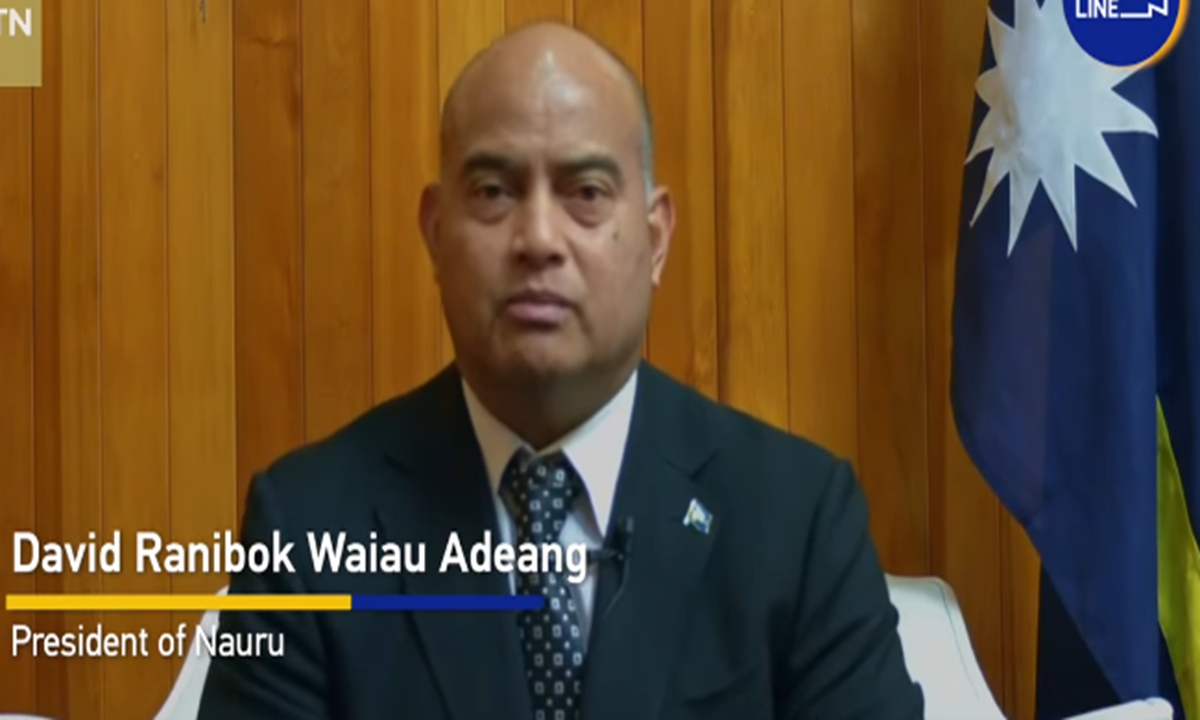
Nauru's President David Adeang has announced the success of the country's Economic and Climate Resilience Citizenship Programme, a move being closely watched by nations around the world. Launched in 2025, the programme was designed to attract high-skilled workers and generate funds for national priorities with strict due diligence applied to global applicants.
Nauru, a small island nation in the Pacific Ocean, has long struggled with economic instability and environmental degradation. The country's history as a phosphate mining hub has left it with significant environmental damage, and its economy has traditionally been heavily reliant on this single industry. However, as the global demand for phosphate declined, Nauru found itself facing significant economic challenges.
In recent years, the government of Nauru has sought to diversify its economy and address climate change, which has become increasingly severe due to rising sea levels and increased frequency of extreme weather events. The Economic and Climate Resilience Citizenship Programme was seen as a key part of this strategy, aimed at attracting foreign investment and talent to help drive economic stability and resilience.
According to President Adeang, the programme has been a success, with a number of approved citizens already making significant contributions to Nauru's economy and society. While details of the programme are not being made public, it is understood that approved citizens do not have residency or voting rights in the country. However, they do contribute funds for national priorities through strict due diligence on global applicants.
The programme's success may have implications for neighboring countries in the Pacific region, which are also facing similar economic and climate challenges. The focus on attracting high-skilled workers and generating funds for national priorities may create a competitive dynamic among Pacific nations to attract foreign investment and talent. As Nauru looks to build on its success, it is likely that other countries will be watching closely to see how they can replicate this model.
In the meantime, President Adeang's announcement marks an important milestone in Nauru's efforts to address its economic and climate challenges. With the programme now established as a key part of the country's strategy, there is reason to be optimistic about Nauru's future prospects. As the world continues to grapple with the challenges of climate change and economic instability, programmes like the Economic and Climate Resilience Citizenship Programme are likely to play an increasingly important role in shaping the global response.